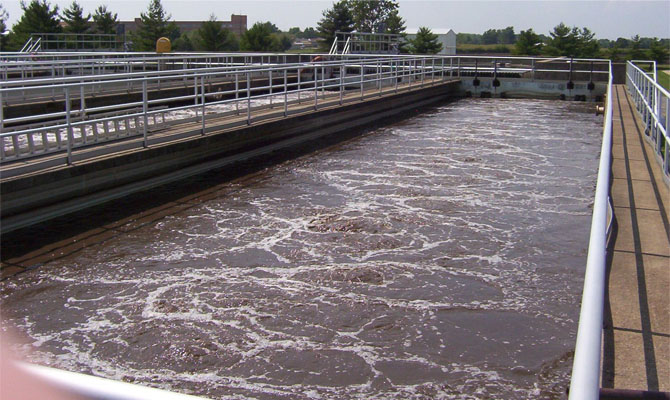
Anaerobic Biological Treatment
Anaerobic wastewater treatment is a biological process where microorganisms degrade organic contaminants in the absence of oxygen. In a basic anaerobic treatment cycle, wastewater enters a bioreactor receptacle. The bioreactor contains a thick, semi-solid substance known as sludge, which is comprised of anaerobic bacteria and other microorganisms. These anaerobic microorganisms, or “anaerobes,” digest the biodegradable matter present in the wastewater, resulting in an effluent with lower biological oxygen demand (BOD), chemical oxygen demand (COD), and/or total suspended solids (TSS), as well as biogas byproducts.
Anaerobic wastewater treatment is used to treat a variety of industrial effluent streams from agricultural, food and beverage, dairy, pulp and paper, and textile industries, as well as municipal sewage sludge and wastewater. Anaerobic technologies are typically deployed for streams with high concentrations of organic material (measured as high BOD, COD, or TSS), often prior to aerobic treatment. Anaerobic treatment is also used for specialized applications, such as treatment of waste streams with inorganics or chlorinated organics, and is well-suited for treating warm industrial wastewater.